Why Kettlebells?
Why Kettlebells?
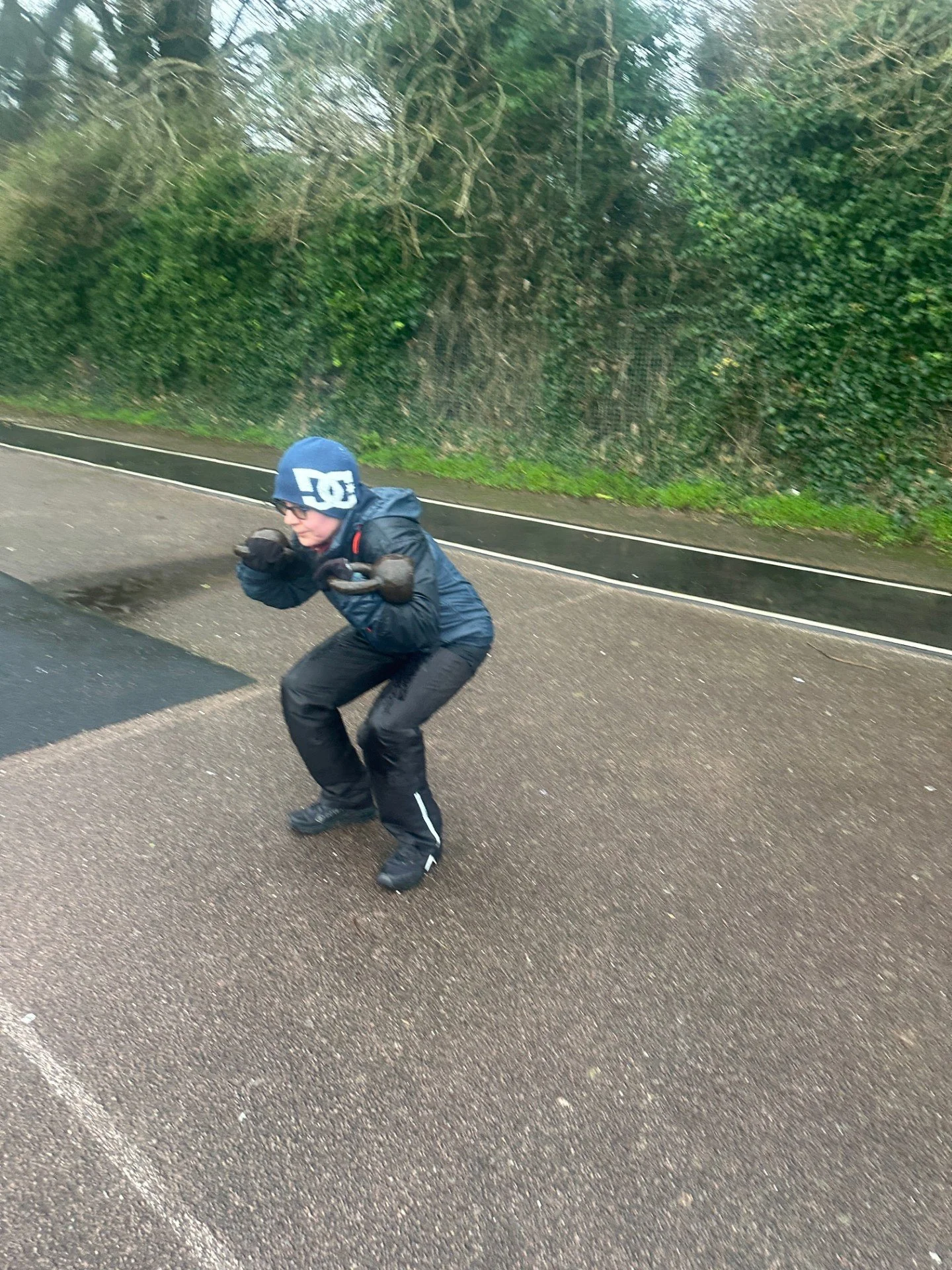
Kettlebells surged in popularity in the UK around 20 years ago, and for good reason. Fitness trends come and go, and people often chase whatever looks new or different. The problem is that “new” sometimes replaces “effective,” and the fundamentals get ignored. Kettlebells don’t replace the basics — they support them. They’re one of the most practical tools you can have in your training toolbox, and one I bring into sessions regularly. If I had to choose a single piece of equipment to train with, kettlebells would be high on the list because they deliver a lot with very little.
I’ve coached kettlebell training in Brighton for over 20 years. And to give a little context, I was also involved in helping kettlebells become more mainstream about 15 years ago through a series of top-ranked training apps on the App Store. Experience matters with kettlebells: they’re simple, but they’re not always easy, and good coaching makes a big difference to how safe, efficient, and effective they become.
That said, a kettlebell is still just a tool — one option among many. The best training is never dogmatic. Sometimes kettlebells are the perfect fit, and sometimes they aren’t. If your goal is maximum leg strength, for example, kettlebells can become limiting quite quickly compared to a barbell setup. It’s the same reason you wouldn’t choose the wrong tool for a job: it might work, but it’s rarely the most efficient route. Smart training is about choosing what matches the goal, the person, and the context — not forcing one method to do everything.
Where kettlebells really shine is in building strong, athletic movement with minimal equipment and minimal time. You can get an outstanding session done in under 30 minutes that hits strength, conditioning, and power in one go. The right combinations will leave your lungs burning and your legs shaking — in a good way — while also improving coordination, posture, grip, and overall resilience. For most people who want to feel fitter, stronger, and more capable, that’s a very high return on investment.
They’re also underrated for muscle gain. Because of the way a kettlebell sits on the forearm and how the weight is offset, certain movements keep tension where you want it. A simple example is the biceps curl. With a dumbbell, as you reach the top of the curl the forearm becomes closer to vertical and the biceps can lose tension. With a kettlebell, the load hangs differently, so the biceps stay challenged even at the top position. Small details like that add up over time, especially when programming is structured properly.
Kettlebells aren’t magic — they’re useful. Used well, they’re one of the most effective ways to train strength, fitness, and athleticism in a time-efficient, joint-friendly way.